Understanding Court Reporting: A Summary of Its Role in the Legal Process
Court reporting is an essential component of the lawful system. It assures that every spoken word throughout trials and depositions is accurately recorded. This transcription supplies a reputable record for future recommendation. Stenotype reporter possess specialized skills and must navigate numerous technologies. durham court reporting. As the legal landscape advances, so as well does the duty of these experts. Comprehending their influence raises vital concerns concerning the future of lawful documents and responsibility
The Value of Accurate Transcription in Legal Proceedings
Precise transcription plays a vital role in lawful process, acting as the foundation for justice and responsibility. Stenotype reporter, charged with catching talked dialogue during depositions and tests, assure that every word is recorded with precision. This transcription ends up being a critical document, enabling courts, juries, and attorneys to examine the proceedings precisely. Errors or noninclusions in transcription can lead to misunderstandings, misconceptions, and possibly unfair end results.
Furthermore, these records function as main documents that can be referenced in future lawsuits, allures, or scholarly analyses. The stability of the judicial process counts heavily on the reliability of these records. The capability to provide a clear, verbatim account of disagreements and testaments is important in promoting the guideline of regulation. Consequently, the value of accurate transcription can not be overemphasized; it is vital for assuring reasonable trials and maintaining public rely on the lawful system.
The Abilities and Certifications of Court Reporters
While the function of a stenotype reporter is important in the lawful system, it calls for an unique collection of certifications and skills to ensure effective performance. Effectiveness in shorthand or voice writing is required, enabling press reporters to catch talked language properly and effectively. Furthermore, a strong understanding of lawful terminology and treatments is necessary, as court press reporters need to comprehend complex discussions that occur during trials and hearings.
Attention to detail and extraordinary listening abilities are needed to ensure accurate transcripts - durham court reporting. Several court press reporters have accreditation from recognized programs, which typically consist of strenuous training in transcription techniques and legal principles. Solid interpersonal abilities likewise play a significant role, as reporters frequently connect with lawyers, courts, and witnesses. Eventually, the mix of technical effectiveness, lawful understanding, and interpersonal capacities furnishes stenotype reporter to satisfy their obligations properly within the judicial system
Different Types of Court Reporting Solutions
Court reporting solutions include a range of specific functions customized to satisfy the demands of the lawful system. One famous type is deposition reporting, where court press reporters record witness statements beyond court setups, commonly for usage in tests. One more solution is real-time reporting, which gives instantaneous transcription throughout process, making it possible for attorneys to gain access to real-time text feeds. Furthermore, some court reporters use transcription of sound and video clip recordings, making sure exact documents of events.
Shut captioning services are also provided, making lawful process accessible to individuals with hearing problems. Moreover, lots of court reporting firms specialize in serving details legal fields, such as family legislation, criminal legislation, or corporate law, consequently providing tailored knowledge. Lastly, some reporters might supply video clip deposition services, which enhance the documents process with aesthetic context. Each sort of service plays a necessary duty in ensuring the accuracy and honesty of lawful records.
The Innovation Behind Modern Court Reporting
Modern court reporting relies greatly on sophisticated modern technology to improve precision and effectiveness. Stenography machines, electronic recording strategies, and real-time transcription software application are important parts of this area. These tools not just promote the transcription process but additionally guarantee that lawful procedures are recorded with precision.
Stenography Machines Explained
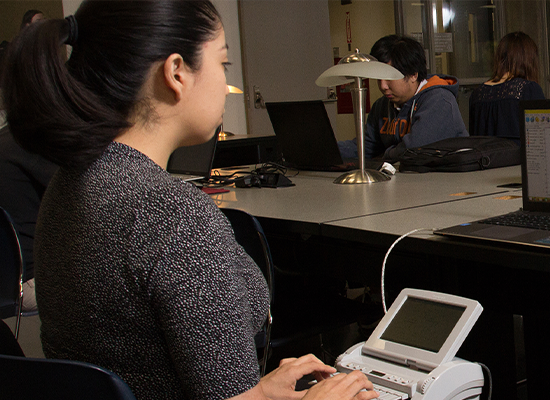
Stenography equipments function as the backbone of contemporary court reporting, changing talked words into created text with amazing performance. These specialized tools utilize an one-of-a-kind key-board design that permits court reporters to kind syllables and words phonetically, allowing them to catch dialogue at high rates. Using shorthand icons suggests that reporters can record conversations in genuine time, making certain accurate records of legal process. Stenography machines are equipped with sophisticated innovation, consisting of software that can translate stenographic notes into readable message. This integration of software and hardware considerably boosts the rate and accuracy of court reporting, making it an indispensable tool in the lawful field. Consequently, stenography remains an essential skill for specialists in the courtroom.
Digital Recording Techniques
Innovations in modern technology have actually increased the tools available for court reporting past standard stenography makers. Digital taping strategies have actually emerged as a reliable option, catching sound and video clip of lawful proceedings with high fidelity. These systems use microphones and videotaping tools purposefully placed to guarantee clarity and lessen history noise, providing a detailed document of statements and discussions. The tape-recorded content can be played back for accuracy during transcription, allowing stenotype reporter to validate information effectively. In addition, electronic recordings can be saved firmly for future recommendation, improving availability and protecting the integrity of the legal procedure. As courts embrace these modern innovations, digital recording techniques play a significantly vital duty in preserving efficient and precise documents.
Real-Time Transcription Software Program
As courts progressively adopt technology to improve the lawful procedure, real-time transcription software program has actually come to be a necessary device for court reporters. This ingenious technology enables court press reporters to transcribe talked dialogue immediately, giving instant access to precise documents during procedures. By converting spoken words into text as they are talked, real-time transcription software helps with reliable communication between lawyers, courts, and other court participants. The software frequently incorporates with court sound systems, guaranteeing that every word is captured with accuracy. In addition, it can create records for review and circulation, improving the documentation procedure. Because of this, real-time transcription software not just improves the effectiveness of court reporting however likewise improves the general availability of lawful process.
The Function of Court Reporters in Keeping Court Stability

Furthermore, stenotype reporter add to the openness of the judicial procedure. By delivering comprehensive transcripts, they allow the public and media to accessibility court procedures, fostering accountability. Their existence in the court likewise assists maintain decorum, as their activities underscore the severity of the legal procedure.
In addition to technical skills, court press reporters have to show professionalism and reliability and impartiality, necessary for preserving the stability of the judicial system. Eventually, their persistent initiatives sustain fair test rights and enhance public confidence in the lawful structure.
The Future of Court Reporting in an Evolving Legal Landscape
As the legal landscape develops, court reporting deals with considerable modifications driven by technological improvements and a growing shift in the direction of remote services. These advancements are improving how stenotype reporter operate, affecting both the speed and accuracy of legal documents. The future of this occupation will likely copyright on its versatility to these emerging trends.
Technical Developments Impacting Reporting
Many technological innovations are improving the landscape of court reporting, ushering in a new era of performance and accuracy. Digital recording systems have ended up being commonplace, enabling accurate audio capture during process. These systems usually incorporate with transcription software application, helping with faster turnaround times for records. Additionally, synthetic intelligence is playing a considerable function in improving the transcription process, with speech recognition modern technology aiding reporters in producing much more exact documents. Moreover, cloud-based storage options enhance accessibility, making it possible for attorneys to recover and click this site share transcripts easily. As these advancements continue to evolve, they assure to additional change the court reporting career, boosting the general lawful procedure while keeping high requirements of professionalism and integrity.
Shift Towards Remote Solutions
The legal landscape is progressively accepting remote services, improving exactly how court reporting is conducted. This change has been accelerated by technological advancements and the necessity for adaptability throughout recent global events. Stenotype reporter now make use of video conferencing platforms to facilitate depositions and hearings, enabling for greater availability and effectiveness. Remote services enable participation from various places, minimizing travel costs and logistical challenges. Furthermore, electronic transcription tools boost precision and streamline the documentation procedure. As the lawful sector adapts, court reporters are called for to establish brand-new abilities and acquaint themselves with emerging modern technologies. This development provides both possibilities and difficulties, pressing the career in the direction of a much more integrated, technology-driven future while preserving its core commitment to providing trusted and specific legal documentation.
Often Asked Concerns
How Much Do Court Reporters Usually Earn Yearly?
Stenotype reporter usually make in between $50,000 and $100,000 annually, depending upon experience, location, and the demand for services. Specialized abilities or qualifications can even more enhance their making potential in various legal setups.
What Is the Average Duration of Court Reporting Training Programs?
Court reporting training programs address generally last between 18 months to 2 years. This period differs based on the institution and the certain educational program, including both concept and practical abilities necessary for aiming court press reporters.
Can Court Reporters Job From Another Location for Legal Proceedings?
Yes, court press reporters can work from another location for lawful process, utilizing innovation to transcribe sound and video clip feeds. This flexibility allows them to offer accurate paperwork while preserving the stability of the legal process.
What Is the Difference Between a Stenotype Reporter and a Stenographer?
A court reporter concentrates on transcribing lawful process, while a stenographer concentrates on shorthand composing for numerous contexts, including conferences and meetings. Both roles entail recording spoken words yet vary in their certain applications and environments.
Are Court Reporters Required to Have Accreditations or Licenses?
Yes, court reporters are usually needed to obtain licenses or certifications. These qualifications guarantee they possess the necessary abilities and expertise to accurately record lawful procedures, preserving the honesty of the judicial process.
Numerous court reporters have qualification from accredited programs, which typically include rigorous training in transcription methods and lawful values. One noticeable type is deposition reporting, where court reporters record witness statements outside of court setups, commonly for usage in tests. As court rooms increasingly take on innovation to boost the lawful procedure, real-time transcription software has become an essential tool for court reporters. Yes, court press reporters can work remotely for lawful procedures, utilizing innovation to record sound and video clip feeds. A court reporter specializes in transcribing legal procedures, while a clerk focuses on shorthand writing for various contexts, consisting of meetings and conferences.
Comments on “Durham court reporting services: what’s included”